

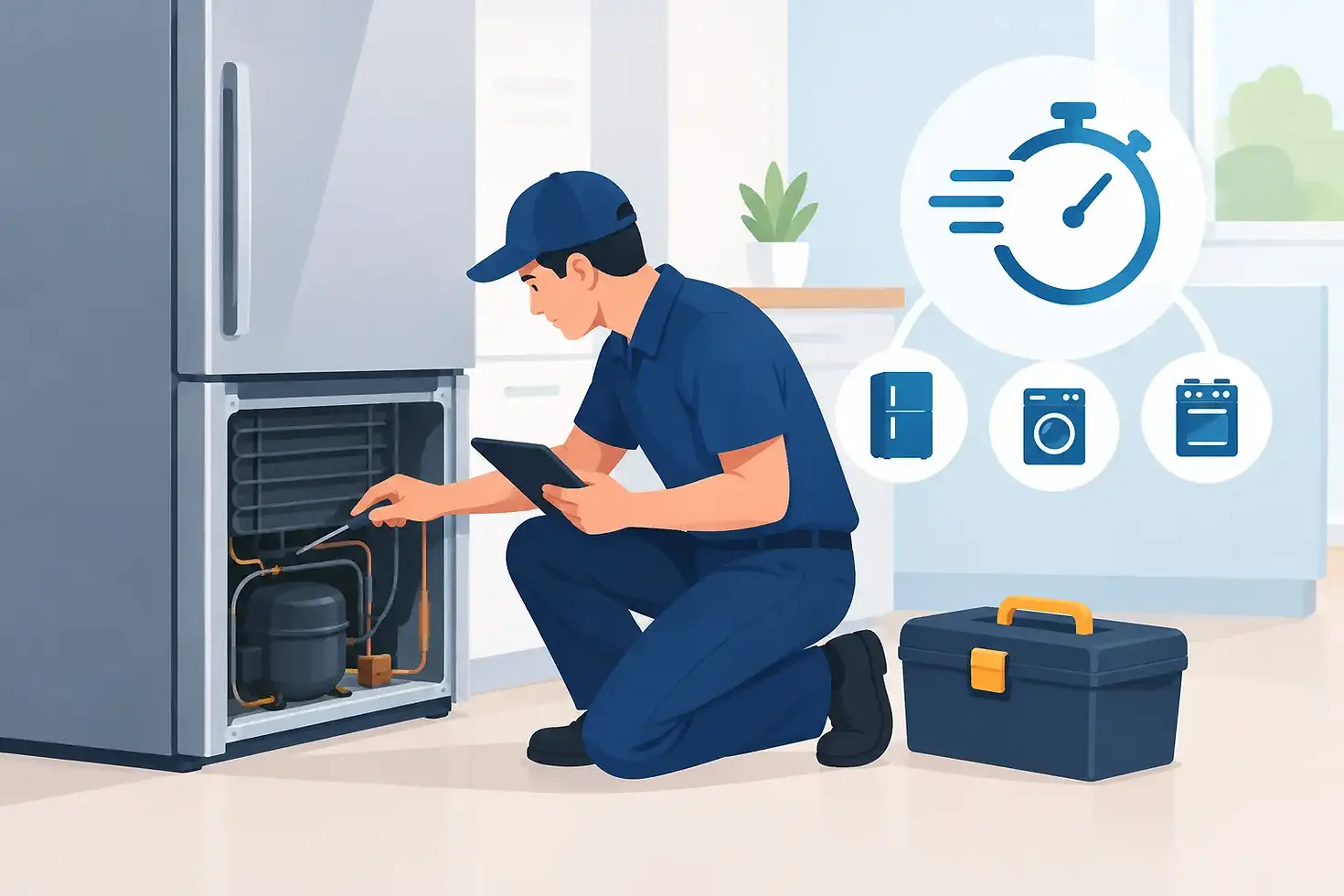
Fast Appliance Diagnosis Service When You Need It

A refrigerator that stops cooling can turn a normal evening into a race to save groceries. A washer that will not drain can leave a family staring at a pile of wet clothes. When an essential appliance quits, a fast appliance diagnosis service helps replace guesswork with a clear plan - and gets your household moving again sooner.
The goal is not simply to identify a symptom. It is to find the actual cause, explain what is happening in plain language, and determine whether a repair is the sensible next step. For Greater Kansas City homeowners, that often means avoiding an unnecessary replacement and restoring the appliance they already rely on every day.
Why a Fast Diagnosis Matters
Appliance problems rarely arrive at a convenient time. The dishwasher starts leaking before guests come over. The oven will not heat the day you planned a family dinner. The dryer runs but clothes stay damp, leaving laundry to pile up.
Waiting can make some problems more expensive. A small refrigerator cooling issue may lead to spoiled food. A dishwasher leak can affect flooring or cabinets. A dryer with restricted vent ducting can take longer to dry clothes and create a safety concern. Prompt professional diagnosis gives you the information needed to act before a frustrating issue becomes a bigger household disruption.
Speed should not mean rushing through the work. A dependable diagnosis involves checking the appliance's operation, listening to the symptoms you have noticed, inspecting relevant components, and narrowing down the cause. A technician should be able to tell the difference between a simple operational issue and a failed part that needs attention.
What a Professional Appliance Diagnosis Looks Like
Many appliance failures look similar from the outside. For example, a refrigerator that is warm could have a temperature-control issue, an airflow problem, a failing fan, dirty condenser components, or another mechanical or electrical concern. Replacing parts based on a guess can cost more and still leave the original problem unresolved.
A professional visit starts with the basics: what the appliance is doing, when the problem began, whether it makes unusual sounds, and whether an error code has appeared. Those details can point the diagnosis in the right direction, but they are only the starting point.
Testing the Cause, Not Just the Symptom
After inspecting the appliance, the technician checks the systems related to the complaint. On a washer, that might include drainage, water fill, lid or door operation, and the spin cycle. On an oven or range, it may include heating elements, ignition, temperature response, or controls. On a dryer, the work may involve checking heat, tumbling, airflow, and the condition of the vent duct system.
This process matters because the visible symptom is not always the failed component. A dryer that is not drying well, for instance, may not need a new heating part. Restricted airflow can produce similar results. The right diagnosis protects you from paying for repairs that do not solve the problem.
Clear Repair Recommendations
Once the issue has been identified, you deserve a straightforward explanation. A good service experience includes what failed, what repair is recommended, and whether the repair makes financial sense for the appliance's condition and age.
There are times when replacement may be the better choice, particularly when an appliance has multiple costly failures or is near the end of its expected service life. But replacement should not be the automatic answer. Many refrigerators, washers, dryers, dishwashers, ovens, ranges, microwaves, garbage disposals, and other household appliances can be repaired for far less than the cost and hassle of buying new.
Common Problems That Need Quick Attention
Some appliance issues can wait a day or two if the appliance is safely unplugged or not in use. Others deserve a quicker call because they can affect food, water, safety, or the basic rhythm of the household.
A refrigerator or freezer that is not holding temperature is one of the most urgent calls. Food safety and spoilage become concerns quickly. If you notice water leaking from a refrigerator, clear standing water around the unit and avoid blocking airflow while you arrange service.
A washer that will not drain, spin, or unlock can stop laundry in its tracks. Do not force the door or repeatedly restart a cycle, as that can complicate the situation. A technician can determine whether the issue involves drainage, a latch, a control, or another part of the machine.
Dishwasher leaks should also be addressed promptly. Even a slow leak may reach areas you cannot see below the appliance. If it is safe to do so, stop the cycle, turn off the water supply if water continues to flow, and dry up what you can before service arrives.
With dryers, a burning smell, repeated overheating, or unusually long dry times should not be ignored. Stop using the dryer if you smell burning or see smoke. Dryer vent duct restrictions and internal appliance concerns both need proper attention, and the safest answer depends on the cause.
How to Help Your Service Call Go Smoothly
You do not need to troubleshoot an appliance yourself before scheduling repair. In fact, disassembling a unit or attempting electrical repairs can create additional damage or safety risks. Still, a few simple details can help your technician diagnose the issue efficiently.
Make a note of the make and model if it is easy to find, along with any error code displayed on the appliance. Think about when the problem occurs. Does the washer fail only during spin? Does the oven heat unevenly? Does the refrigerator make noise all day or only after the door closes? These observations are useful clues.
If possible, clear a safe path to the appliance and remove items from the immediate work area. For a refrigerator, move perishable food to a cooler if cooling has failed. For a dishwasher or washer leak, avoid running another cycle before the source is checked. Small steps like these help the appointment focus on the repair rather than the cleanup.
Choosing a Fast Appliance Diagnosis Service in Kansas City
When your appliance is down, it is tempting to choose the first available option. Responsiveness matters, but so do experience, communication, and accountability. Look for a local repair company that works on the appliance type you own, can service major brands, and is prepared to explain the problem without burying you in technical language.
Local service also means working with people who understand that a broken appliance is not a minor inconvenience. It affects school mornings, work clothes, groceries, meals, and cleanup. A family-owned company has a direct stake in earning trust one household at a time.
Arrowhead Appliance Repair provides in-home diagnosis and repair for the essential appliances Kansas City households depend on. The focus is practical: identify the problem, recommend the appropriate repair, and help restore the convenience your home needs.
When Repair Is Usually Worth Considering
A diagnosis gives you options, and the right choice depends on more than one number. The appliance's age, overall condition, repair cost, efficiency, and history of previous breakdowns all matter. A relatively newer appliance with a single failed component is often a strong candidate for repair. A well-maintained appliance can also have plenty of useful life left after the right fix.
On the other hand, an older unit with repeated problems may warrant a conversation about replacement. A trustworthy technician should give you an honest assessment rather than pressuring you either way. The point of diagnosis is to help you make a confident decision for your home and budget.
A broken appliance does not have to take over your week. When something stops cooling, cleaning, cooking, or drying as it should, timely diagnosis brings clarity first - and clarity is what gets the right repair underway.


Comments